
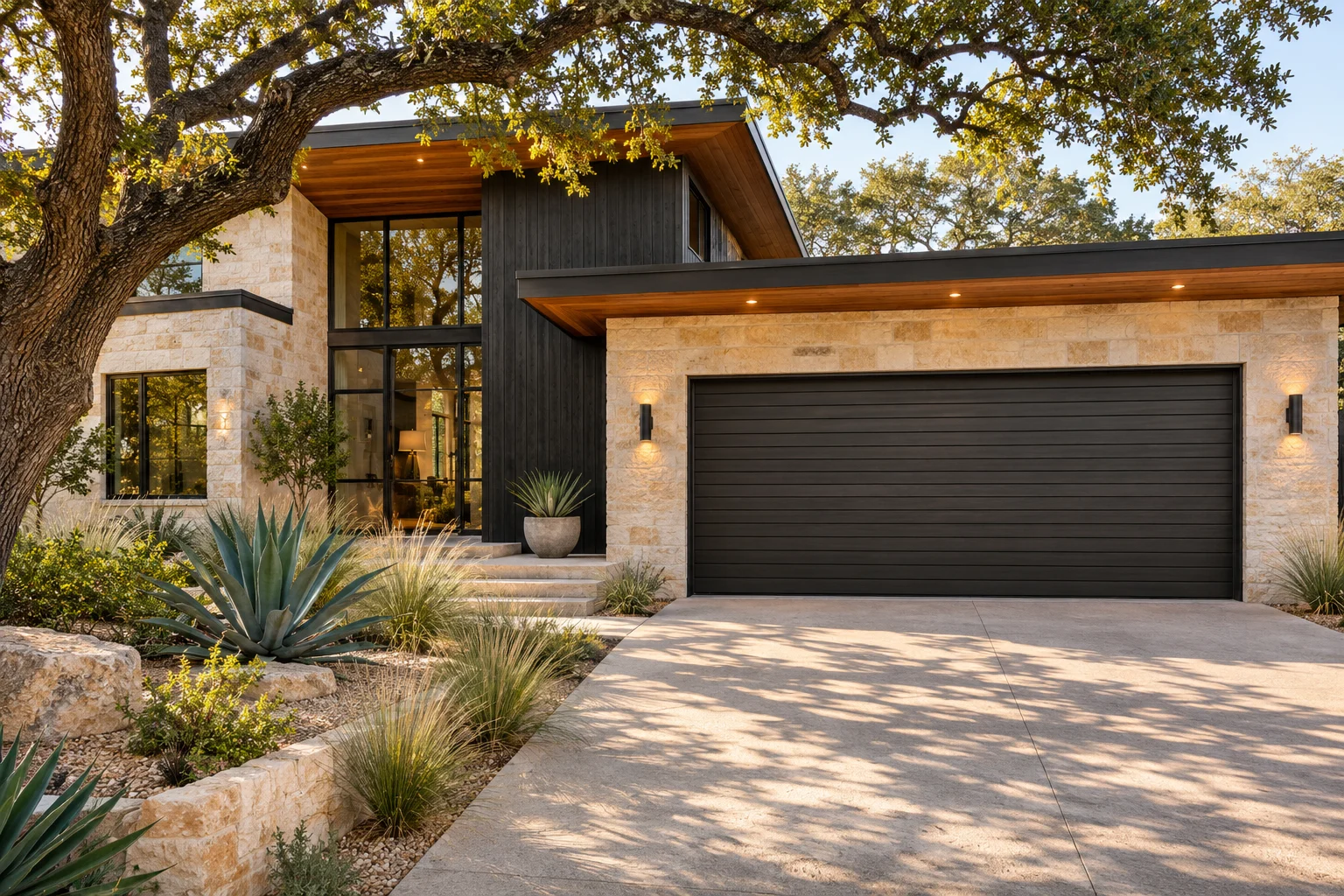
Diagnose before shopping
A garage door that will not open does not automatically need a new door or a new motor. In Austin, a homeowner may be comparing modern flush panels while the immediate problem is a sensor or control. Start with a repair assessment that separates the mechanical door from its operator.
The distinction matters because the motor moves a balanced door; it should not be used to overcome binding or failed lifting hardware. A new opener fitted to an unsafe door leaves the main problem unresolved.
Use a condition map
| What you notice | A useful assessment question |
|---|---|
| One dented section | Is compatible replacement material available? |
| Panel folds near the opener arm | Has structural reinforcement failed? |
| Door is heavy or tilted | Is the counterbalance or cable system unsafe? |
| Remote fails but wall control works | Is the problem in the control path? |
| Repeated system faults | What underlying cause has been verified? |
These observations guide the conversation. They do not replace an inspection, and they are not instructions to pull an unstable door through a test cycle.
Look beyond the visible face
Hinges, stiles, tracks, spring hardware and mounting points all influence whether a repair is sensible. A clean-looking face can hide a damaged connection, while a cosmetic dent may leave the structure intact. Ask the technician to identify which condition changes the recommendation.
For a partial section repair, compatibility includes joint shape, thickness, hinge positions and weight. A similar color in a product photo does not establish that two sections can be mixed.
Compare replacement when it solves a defined problem
A replacement door may be appropriate when several sections deteriorate, compatible parts are unavailable, or the assembly has repeated structural problems. Write down what the replacement changes: fit, material, glazing, insulation or serviceability.
Contemporary Austin architecture can make a broad dark door appealing, but appearance should sit alongside the manufacturer’s finish guidance, the opening’s exposure and the compatible lifting system. A heavier design can change the spring and operator requirements.
Keep the operator choice separate
A working, compatible operator may be retained if the new door manufacturer permits the arrangement. An older operator with repeated faults may justify a separate opener installation comparison. Do not assume every door replacement includes a new motor or that every old motor must go.
Our Round Rock page discusses damaged sections, while Kyle covers clearance and everyday access considerations within their listed ZIPs. Neither page expands the footprint to an entire municipality.
Leave the decision with a clear reason
Ask for the cause, proposed scope, retained parts and post-work tests in ordinary language. Stop using a door that is leaning, cracked at a load point or has visible cable damage. Useful documentation gives you a reason to choose a repair or replacement without relying on a blanket rule about door age.
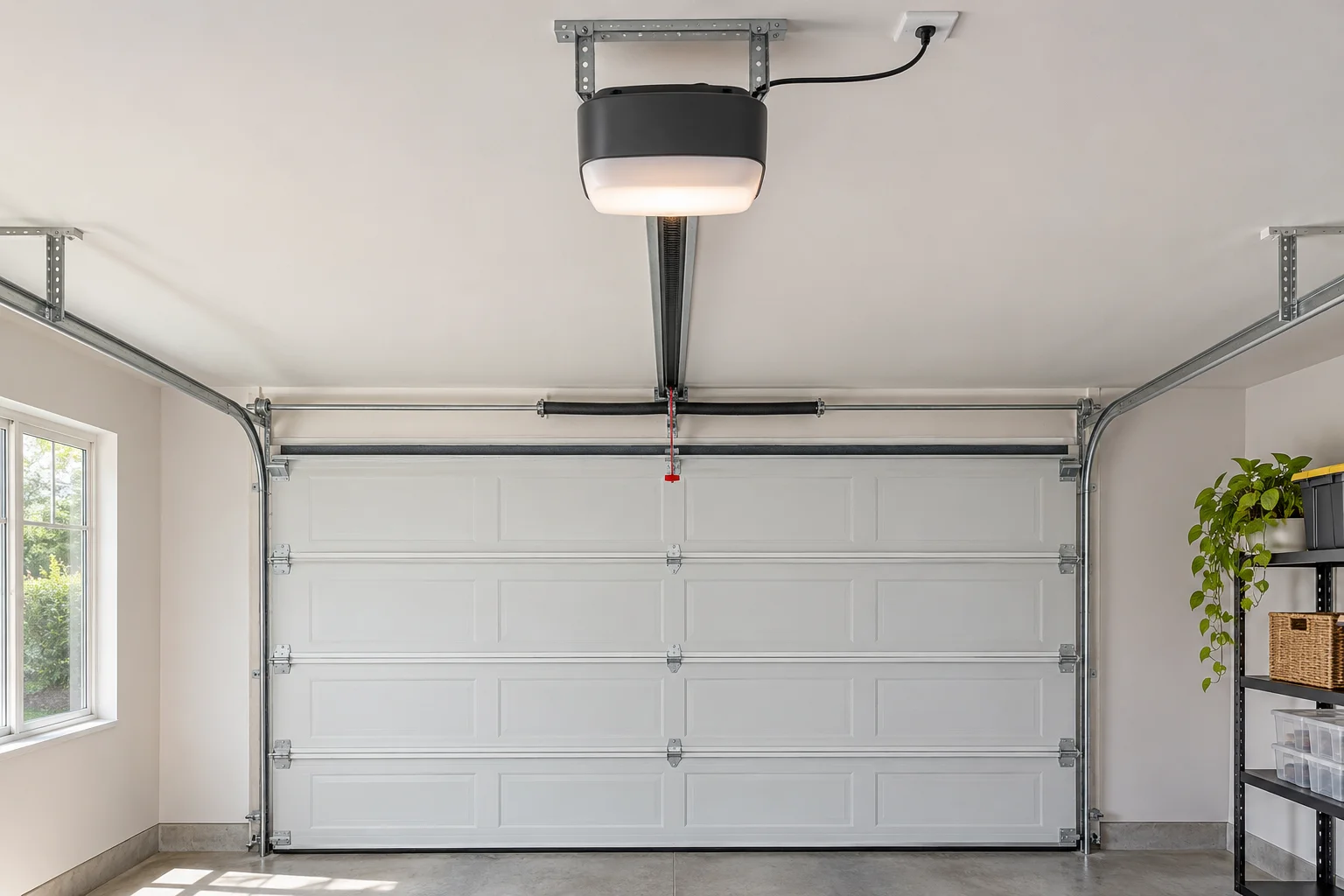
Primary technical reading
The DASMA safety library explains garage-door system precautions. Its technical data sheets support product and installation questions. These general references do not replace the exact door and operator manufacturer’s instructions. For a local request, confirm your ZIP in our service-area directory, then describe the symptom and safe access by phone.