
Check people and access first
After severe weather, do not begin by cycling the garage door. Look from a safe place for shifted panels, loose-looking tracks, impact damage or debris in the opening. If the assembly is unstable, keep people and vehicles away and arrange a qualified assessment.
Our urgent repair request page explains the information to share. Calls and requests may be made 24/7, but a call does not promise immediate answering or dispatch.
Treat water and electricity carefully
If the opener or its power supply may have been affected by water, avoid touching equipment and follow appropriate electrical safety guidance. Do not assume a unit is safe because its courtesy light still works. Electrical assessment may need to be handled separately from door hardware repair.
A power outage alone does not establish that the operator has failed. Check your manufacturer’s documented recovery process only after the door and surrounding area are known to be safe.
Record what changed
| Visible condition | What to report |
|---|---|
| Bowed or creased panel | Location and whether the door is still |
| Loose or displaced track | Keep clear; do not straighten it under load |
| Impact from debris | Where the contact occurred |
| Cable slack or tilted door | Stop use and describe the side affected |
| Water near controls | Avoid contact and identify the exposure |
Take photographs only from safe ground. Do not climb under a raised door or remove a panel to inspect behind it.
Do not add improvised reinforcement
Garage doors and their attachments are engineered as systems. Bracing changes can affect weight, balance and load paths. A door that looks heavier is not automatically rated for a particular wind condition. Ask about manufacturer-approved assemblies and the requirements that apply at the actual property.
DASMA’s technical data sheets provide wind and installation background, but they do not replace product instructions, local requirements or a design professional where one is needed.
Repair and replacement answer different questions
A compatible section repair may be possible when damage is limited. Widespread structural damage or unavailable matching parts may lead to a replacement comparison. The assessment should also check tracks, anchors, lifting hardware and operator attachment rather than replacing only the visible face.
In Del Valle and Taylor, residential and work-building doors should be clearly identified during the call. Specialty or commercial assemblies require appropriate expertise. Coverage stays inside each listed ZIP.
Return to use deliberately
Ask what was checked before the system is operated again: structure, balance, travel and automatic safety functions. Keep the work record with the door’s model details. A successful opening cycle alone does not verify the full system.
Use the maintenance overview to plan routine observation after repairs. A storm checklist helps organize questions; it cannot certify a door as safe from photographs or guarantee performance in a future weather event.
Primary technical reading
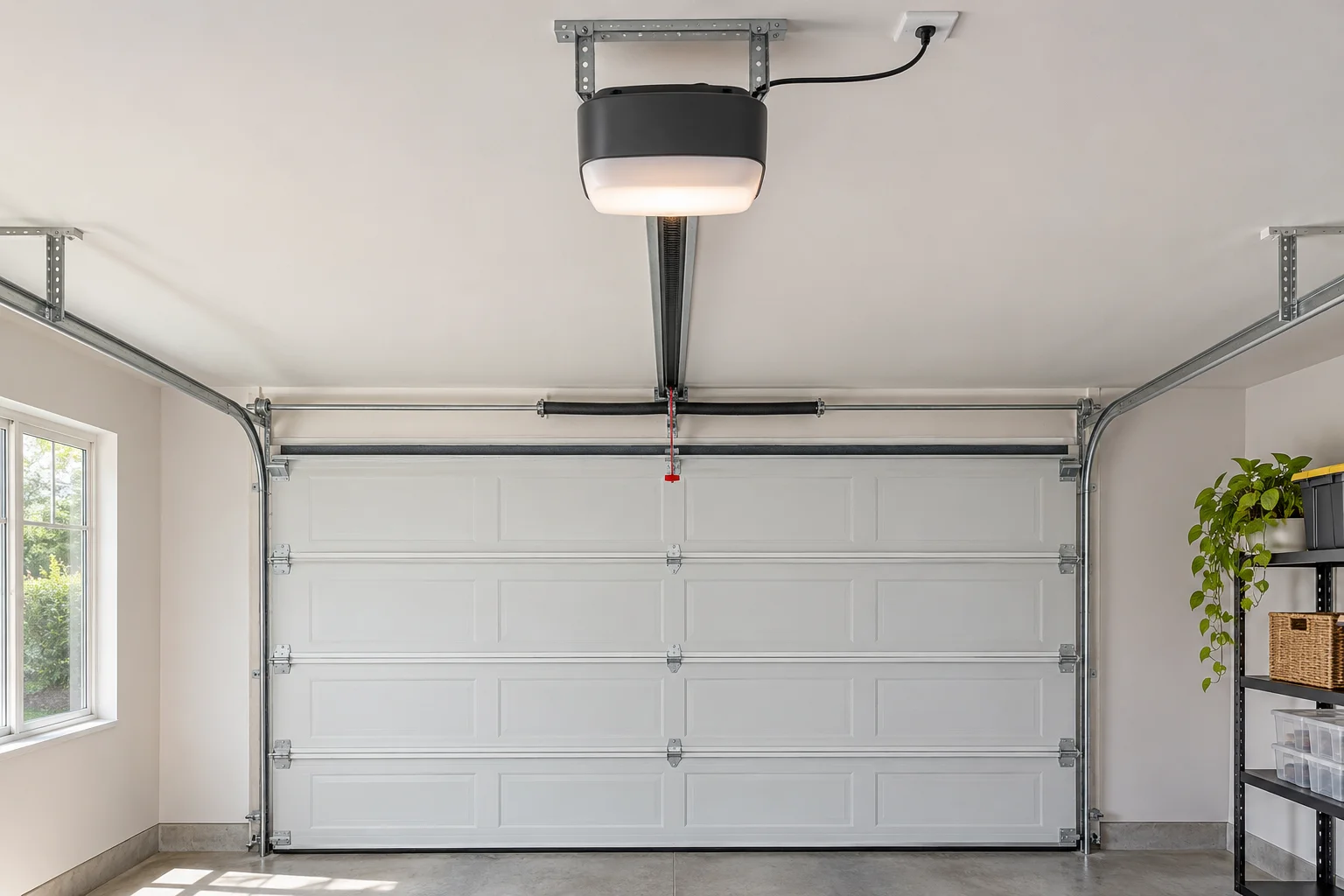
The DASMA safety library explains garage-door system precautions. Its technical data sheets support product and installation questions. These general references do not replace the exact door and operator manufacturer’s instructions. For a local request, confirm your ZIP in our service-area directory, then describe the symptom and safe access by phone.